
Health guide
Poxvirus
Pigeon pox is a viral disease. The common dry form causes wart-like growths on bare skin; wet pox affects the mouth or upper airway and can be much more serious.
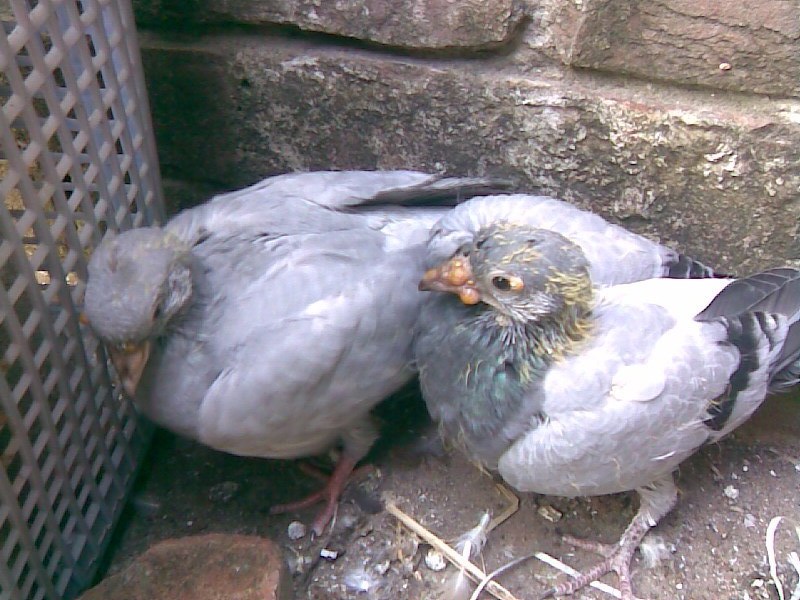
How to recognise it
- Firm nodules or scabs around the eyelids, beak, cere, legs or feet.
- Wet pox may cause mouth/throat/cloaca plaques, difficulty eating, eye swelling or breathing distress.
- Mosquitoes, pigeon louse flies, any kind of parasite that feeds on blood and breaks in the skin are important routes of transmission.
Usual treatment approach
- There is no direct antiviral cure; usual care is supportive while the immune system clears infection.
- Do not pick or cut skin lesions. A veterinarian may clean lesions and treat secondary bacterial, eye or oral complications.
- Maintain extreme hygiene - if you touched a pox lesion do not touch that or any other pigeon anywhere else until your hands are disinfected again.
- Topical acyclovir ointment or pigeon-designed anti-pox ointments can be useful to help control the spread, applied with extreme hygiene like mentioned before.
- Isolation, external parasites and mosquito control and species-appropriate vaccination help control outbreaks.
Sources and further reading